Internet speed and online game performance: what you need to know
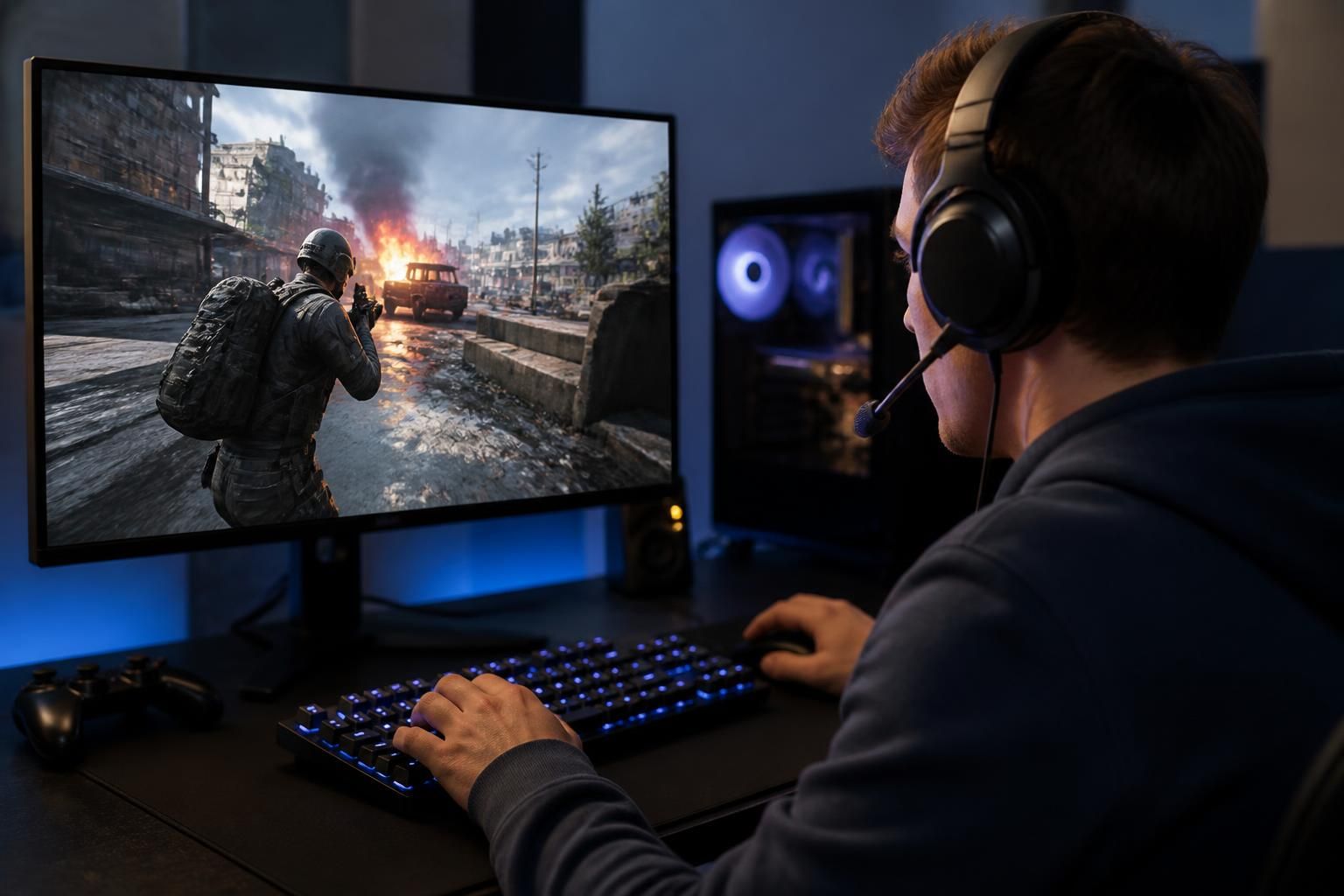
Internet speed and online game performance are intimately linked, affecting the experience and success of gamers across various platforms. As gaming evolves into a more intricate and immersive experience, players must understand how their internet connection influences gameplay. From casual gaming to competitive esports, factors such as latency, bandwidth, and connection stability play crucial roles in determining how smoothly a game runs and how enjoyable it is for players.
Understanding Latency and Its Impact on Gameplay
Latency, often referred to as ping, is the time it takes for data to travel from your device to the game server and back. Measured in milliseconds (ms), lower latency is preferable for online gaming. A high ping can lead to lag, which negatively impacts player actions and reactions, especially in fast-paced games like first-person shooters or MOBA titles.
For example, a player with a latency of 20 ms will likely have a smoother experience compared to one with an 80 ms latency, who might notice delays in their character’s response to commands. This can be particularly critical in competitive environments, where split-second decisions can determine the outcome of a game. To minimize latency, players should consider using wired connections, optimizing their routers, and choosing game servers closer to their geographical location.
The Role of Bandwidth in Online Gaming
While latency is crucial, bandwidth, or the amount of data that can be transmitted over the internet connection at any given time, also plays a significant role in online game performance. High bandwidth is essential for downloading games, updates, and streaming content. However, during gameplay, the actual data usage is typically much lower than what might be expected. Most online games require only a few megabits per second (Mbps) to run smoothly.
That said, having sufficient bandwidth is important when multiple users share the same network. If a gamer is streaming a game while another household member is downloading large files, the internet speed can suffer, leading to disconnections or lag. Players should aim for a minimum bandwidth of 3 Mbps for a single player, but higher is preferable in shared environments. Some gamers may opt for gaming-specific routers or services that prioritize gaming traffic to ensure optimal performance.
Connection Stability: The Unsung Hero of Online Gaming
Connection stability is often overlooked but is crucial for a seamless gaming experience. A stable connection has minimal fluctuations in speed and latency, making it easier for gamers to predictably interact with the game. Frequent disconnections or inconsistent speeds can frustrate players and disrupt multiplayer sessions.
To enhance stability, players should regularly check their internet connection for consistency and consider using tools that can monitor their ping and bandwidth. Network interference from other devices, such as microwaves or other Wi-Fi networks, can also affect performance, particularly in households using Wi-Fi connections. In some cases, switching to a 5GHz frequency band can help avoid interference and improve overall stability.
The Importance of Choosing the Right Internet Service Provider
The choice of internet service provider (ISP) can have a substantial impact on connection quality for online gaming. Different ISPs offer varying types of connections, such as fiber, cable, or DSL, each with distinct advantages and disadvantages. Fiber optic connections typically provide the fastest speeds and lowest latency, making them ideal for serious gamers.
When selecting an ISP, it is essential to review not only the advertised speeds but also customer reviews and reports on service reliability. Some ISPs may offer promotional rates, but their long-term service quality could affect online gaming experiences. Additionally, players should inquire about data caps, which could throttle speeds after reaching a certain usage limit, potentially constraining bandwidth needed for gaming.
Optimizing Your Home Network for the Best Gaming Experience
Once you have a reliable internet connection, optimizing your home network can further enhance internet speed and online game performance. Simple adjustments can lead to significant improvements. For instance, positioning the router in a central location can help enhance signal strength throughout your home. Using a wired Ethernet connection instead of Wi-Fi reduces latency and potential interference.
Another effective strategy is to manage network traffic by limiting bandwidth-intensive applications while gaming. Closing background applications, such as streaming services or large downloads, can free up critical bandwidth for a smoother experience. Using Quality of Service (QoS) settings on your router can prioritize gaming traffic, ensuring that gaming packets receive the necessary resources during peak usage times.
In conclusion, understanding the nuances of internet speed and online game performance is essential for gamers seeking an optimal experience. By focusing on factors such as latency, bandwidth, connection stability, and selecting the right ISP, players can significantly enhance their gameplay. As gaming continues to evolve, having a robust internet connection will remain a foundational element for success and enjoyment in the ever-expanding world of online gaming. For those interested in exploring different aspects of gaming, resources like เว็บสล็อต can provide valuable insights.